
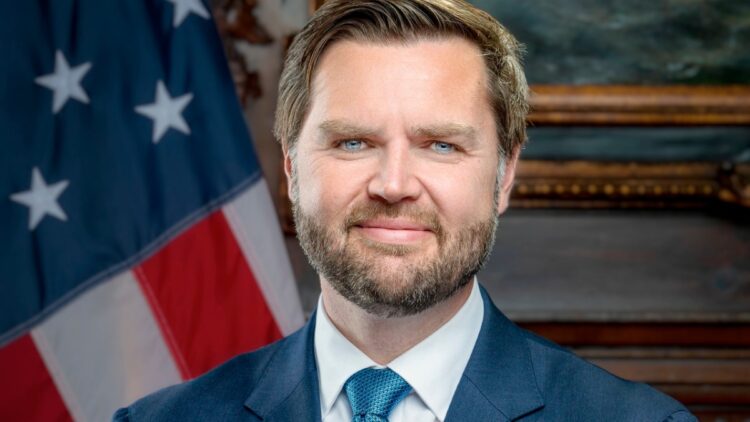
Donald Trump is sending JD Vance, Steve Witkoff, and Jared Kushner to Pakistan this weekend for mediated talks with Iran. The goal here is to turn a fragile two-week ceasefire into a permanent agreement, the White House confirmed on Wednesday, according to Politico.
The discussions are set to begin Saturday morning local time in Islamabad, where Pakistani officials will serve as mediators between Washington and Tehran. The ceasefire breakthrough itself came after Pakistan’s army chief Asim Munir kept engaging both sides in the final hours before Trump’s Tuesday deadline, with the truce announced shortly after Pakistani Prime Minister Shehbaz Sharif made a public appeal.
White House Press Secretary Karoline Leavitt confirmed the U.S. delegation during a press briefing, calling it a pivotal moment in the ongoing effort to end the conflict. The ceasefire that cleared the way for these talks was agreed to just Tuesday evening, but it’s already being put to the test.
The Strait of Hormuz remains the central flashpoint
During the briefing, Leavitt also pushed back on Iranian reports claiming the Strait of Hormuz had been closed again, allegedly in response to intensified Israeli bombing in Lebanon. She called any such closure “completely unacceptable” and made clear the U.S. expects immediate action. Trump, she said, “wants to see the strait reopened immediately without limitation and that’s something we’re going to hold them to.”
The Strait has been at the heart of this conflict from the start. Trump had previously warned Iran of total destruction before his 8 p.m. deadline if the waterway wasn’t reopened, and Defense Secretary Pete Hegseth confirmed the U.S. had planned to strike several targets in Iran, including bridges and power plants, if the ceasefire deal hadn’t been reached in time.
Leavitt also noted that Lebanon is not part of the current ceasefire agreement, a significant gap, given the scale of Israeli operations in the region. Israel’s military said it carried out its largest coordinated strike on Lebanon since the war began, killing and wounding hundreds, according to Lebanon’s health minister.
Why Vance is leading the talks
Iran’s apparent preference for Vance as a lead negotiator predates the war. Western media reported that Tehran refused to engage with either Kushner or Witkoff after a third round of indirect nuclear negotiations in Geneva in February. CNN, citing regional sources, said Iran viewed Vance as more sympathetic to ending the conflict than other U.S. officials.
Analysts noted that Vance, widely seen as a frontrunner for the 2028 Republican presidential nomination, must balance loyalty to Trump with skepticism toward prolonged Middle East conflicts. Positioning himself as a figure who helped end the war offers a path through that tension.
Before heading to Islamabad, Trump had already warned Iran it had 48 hours before blowing up the whole country, setting the pressure-filled backdrop for this weekend’s diplomatic push. Leavitt acknowledged the difficulty ahead, cautioning that ceasefires “are fragile by nature” and that reaching a long-term truce will require considerable time and effort.
The broader Islamabad Accord framework, a two-phase ceasefire proposal introduced April 5 by Pakistan, calls for an immediate halt to hostilities, the reopening of the Strait of Hormuz, and a 15–20 day negotiation period between Iran and the U.S. Whether this weekend’s talks can move that framework closer to reality remains to be seen.