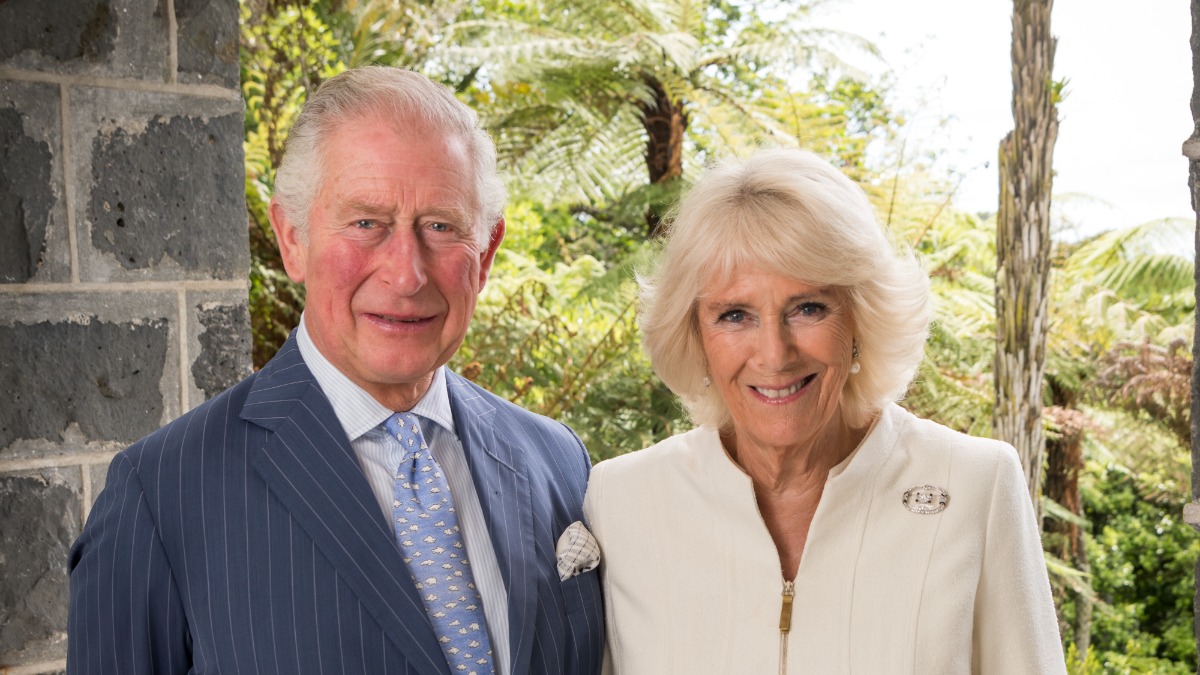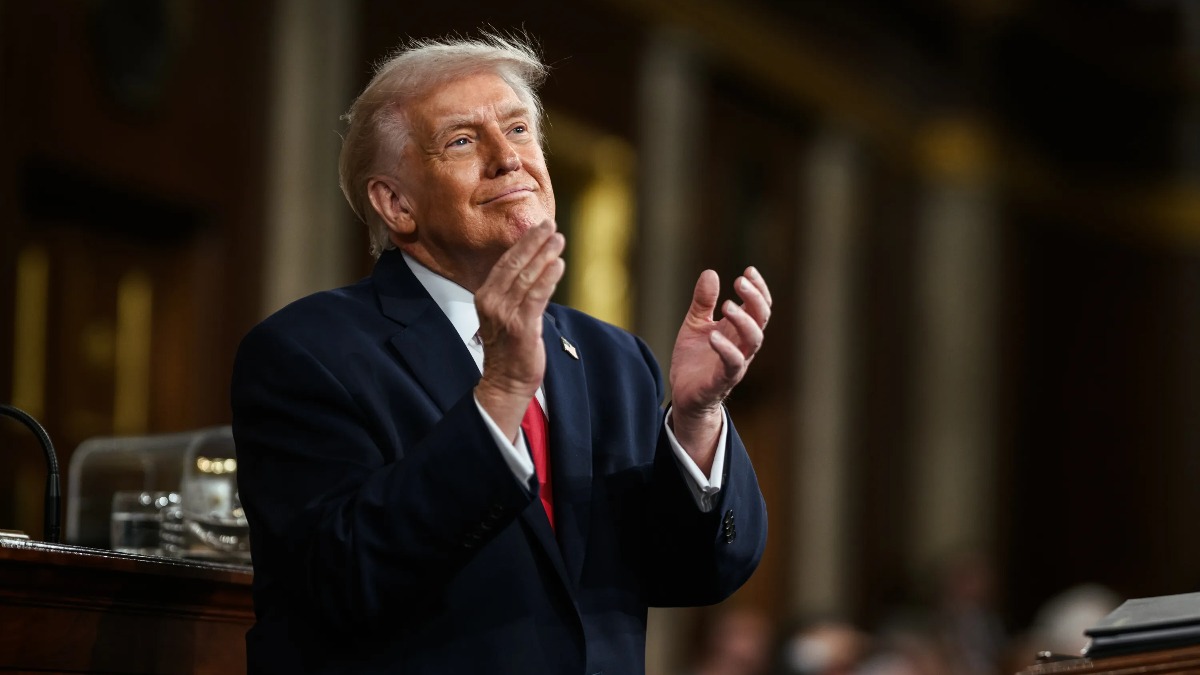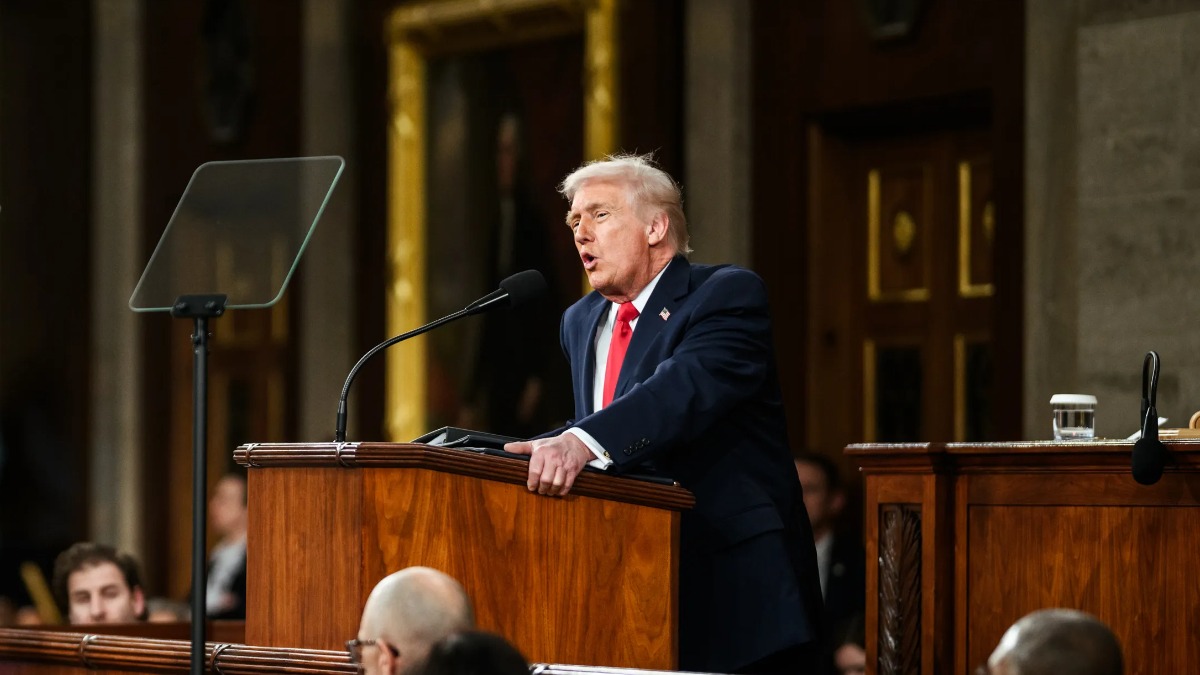

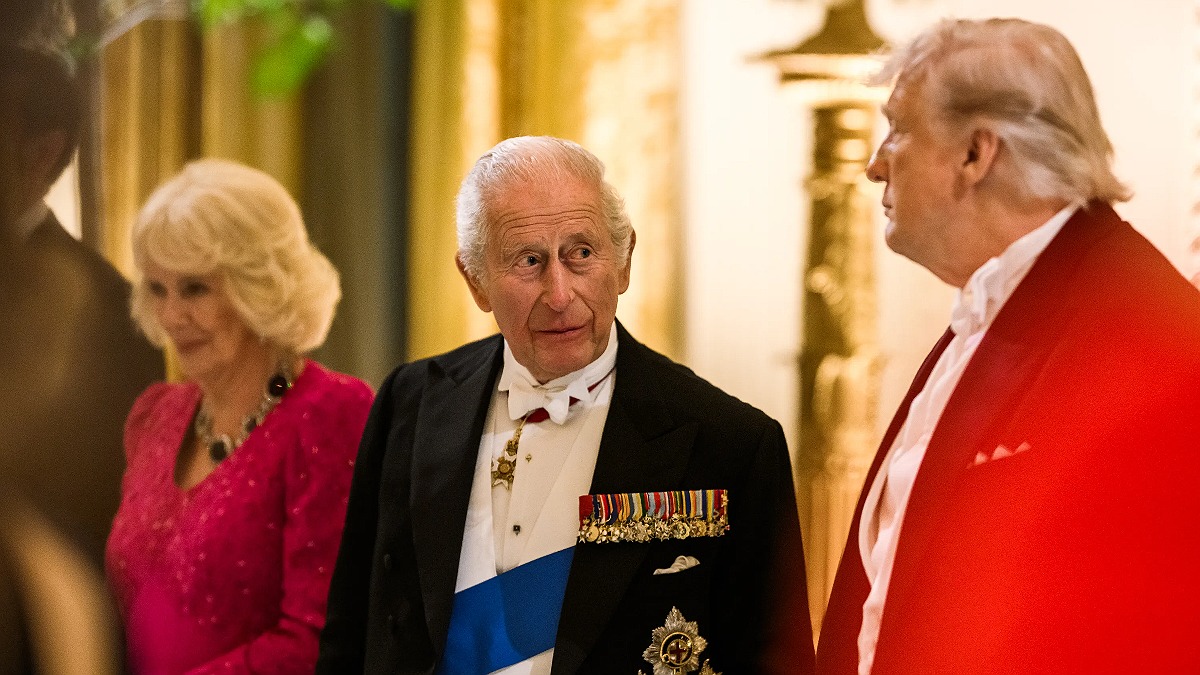
King Charles III addressed the US Congress last week and called for continued Western support for Ukraine. Russia’s propaganda machine had a very different take on what he said.
Russian MP and close Chechen ally Adam Delimkhanov published a lengthy screed in response to the speech, calling Charles a “senile monarch” who made an “inadequate” address to lawmakers. Delimkhanov declared that “the British king will remain in history as the madman who called for World War III.”
That claim is not supported by what Charles actually said. As NBC News reported, the king’s speech focused on Anglo-American cooperation, invoking shared history across two World Wars and the Cold War. He argued that the same resolve was now needed for the “defence of Ukraine and her most courageous people” to achieve peace, not to start a wider war. He never mentioned Russia by name.
Kremlin outlets twisted the speech beyond recognition
Delimkhanov was far from alone. Multiple Russian state media outlets and pro-Kremlin commentators ran with a version of events that had little connection to the actual transcript, as International Business Times UK documented extensively.
Komsomolskaya Pravda, one of Putin’s favored newspapers, told its readers that Charles “called on the US to prepare for war with Russia and activate Article 5 of NATO.” There is no mention of NATO’s Article 5 anywhere in the king’s actual remarks. The Russian defense ministry’s own television channel, Zvezda, ran a headline claiming the British king “urged the US to prepare for war with Russia.” The pro-Kremlin Telegram channel Tsargrad went further, accusing the British Crown of trying to stir up what it called “Russophobic war hysteria.”
These distortions fit a narrative Russian state media has been pushing since the 2022 invasion: that Western support for Ukraine is cover for a planned military assault on Russia itself.
Charles is no stranger to scrutiny during this US trip. He faced pressure to meet Jeffrey Epstein victims while in America and navigated a delicate diplomatic relationship with a host who has been publicly critical of US allies. Michael Bociurkiw, a senior fellow at the Atlantic Council’s Eurasia Center, told NBC News that Charles was “the only world figure that could come at this very turbulent time, into the White House, and politely say what needs to be said in a way that doesn’t offend.”
What Charles actually said
The king’s speech drew multiple standing ovations inside Congress. He told lawmakers that Britain and the United States had stood “shoulder to shoulder” through historic conflicts and that the same unity was now required in supporting Ukraine. He also stressed the importance of “keeping North Americans and Europeans safe from our common adversaries.”
At a state dinner that evening, Charles broadened his remarks to include references to democratic checks and balances, environmental concerns, and the ongoing war in Ukraine. Ukrainian President Volodymyr Zelenskyy later publicly thanked Charles for his words.
The British government and Buckingham Palace did not issue a formal rebuttal of the Russian media coverage, but the gap between what was said and what Moscow’s propagandists claimed could hardly be wider. It is a tactic that has become routine: Russia’s information machine does not need to engage with the actual text when a fabricated version serves its purposes just as well. The same playbook has been used against Donald Trump’s critics and Western leaders alike whenever they challenge Moscow’s position on Ukraine.