
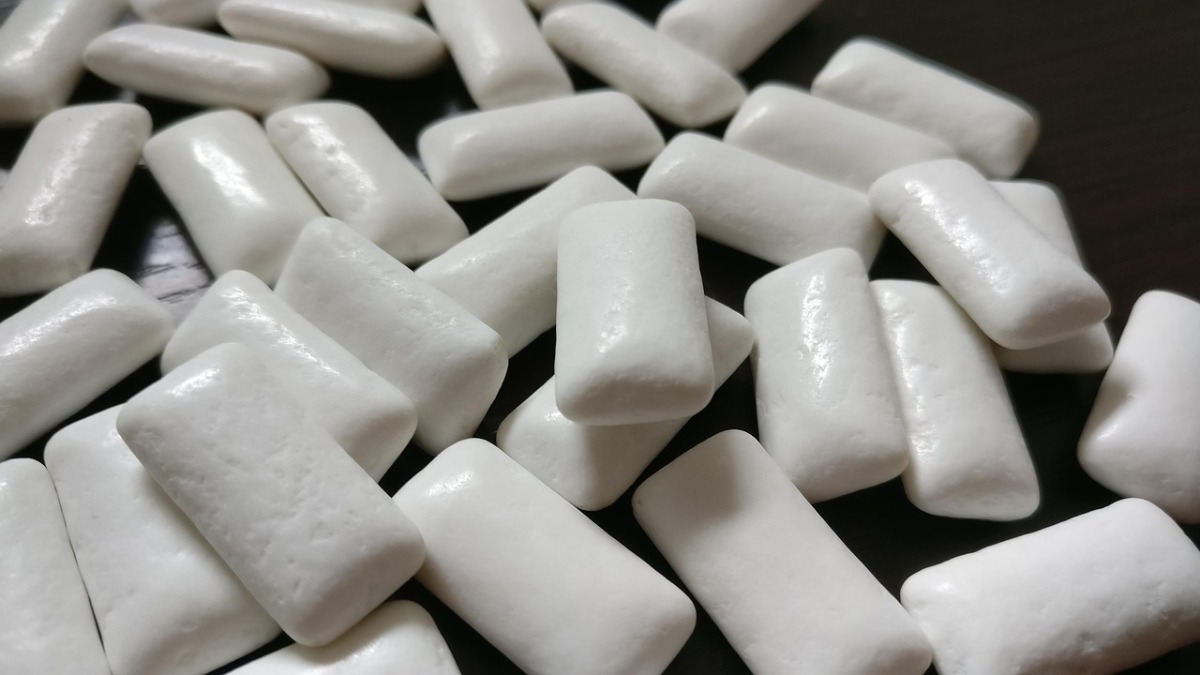
The Hershey Company is turning a weight-loss drug side effect into a business opportunity. The candy giant says demand for its gum and mint products has spiked, and executives are pointing directly at the explosion of GLP-1 medications like Ozempic as the reason why.
According to CBS News, Hershey CEO Kirk Tanner made the comments during the company’s Q1 2026 earnings call on April 30. Retail sales of Ice Breakers, currently Hershey’s third-largest confection brand, climbed more than 8% during the first quarter alone.
“We’ve also seen strong demand for gum and mints, as the category benefits from functional snacking tailwinds, including GLP-1 adoption,” Tanner said. He later told the Wall Street Journal that Ice Breakers is on track to become a billion-dollar brand.
What is ‘Ozempic breath’ and why does it happen
GLP-1 drugs, which include Ozempic, Wegovy, and Mounjaro, work by slowing down the digestive system. That mechanism helps suppress appetite and manage blood sugar, but it also means food stays in the stomach far longer than normal. Doctors say that extended dwell time creates conditions for fermentation, producing sulfur compounds that travel back up and cause a distinct odor.
“Ozempic breath refers to a fishy smell in burps or bad breath,” Dr. Neha Lalani told Healthline. A separate expert, Dr. Christopher McGowan, noted that the source of the odor matters when it comes to treatment, tying the issue back to oral hygiene and digestive activity.
Importantly, bad breath is not an officially listed side effect of these drugs. Novo Nordisk, the maker of both Ozempic and Wegovy, does not include halitosis in the prescribing information for either product. What clinical trial data does show, is that roughly 9% of participants reported eructation (burping), while over 40% reported nausea and nearly 25% reported vomiting.
Hershey’s bigger GLP-1 windfall
The gum and mint surge is just one part of a larger story. Hershey’s protein bar sales jumped 17% in the same quarter, another trend directly tied to GLP-1 use. People on these medications tend to prioritize protein to preserve muscle while they lose weight, and Hershey’s protein bar lineup has benefited from that behavioral shift.
Tanner also pushed back on broader fears that weight-loss drugs spell doom for the candy industry. GLP-1 users are still buying chocolate and sweets, he noted, partly because individually portioned snacks align naturally with the reduced appetite these medications produce. It’s a smaller purchase per trip, but the habit hasn’t gone away entirely.
Overall, Hershey reported consolidated net sales of $3.1 billion for Q1 2026, a 10.6% increase year over year, beating Wall Street expectations. The company reaffirmed its full-year guidance on the back of those results.
It’s a surprising pivot for a Pennsylvania company known for its chocolate bars: a weight-loss drug’s digestive side effects are now quietly padding the bottom line. And if Ozempic usage keeps climbing, so might gum sales. It’s also not the only unusual story making waves lately. Kevin Hart publicly blasted The Rock after Dwayne Johnson’s brush with the law, adding to a growing list of celebrity fallouts grabbing attention. Meanwhile, a woman who says she barely escaped a free $10k cult cruise then went completely silent has left the internet asking questions.