
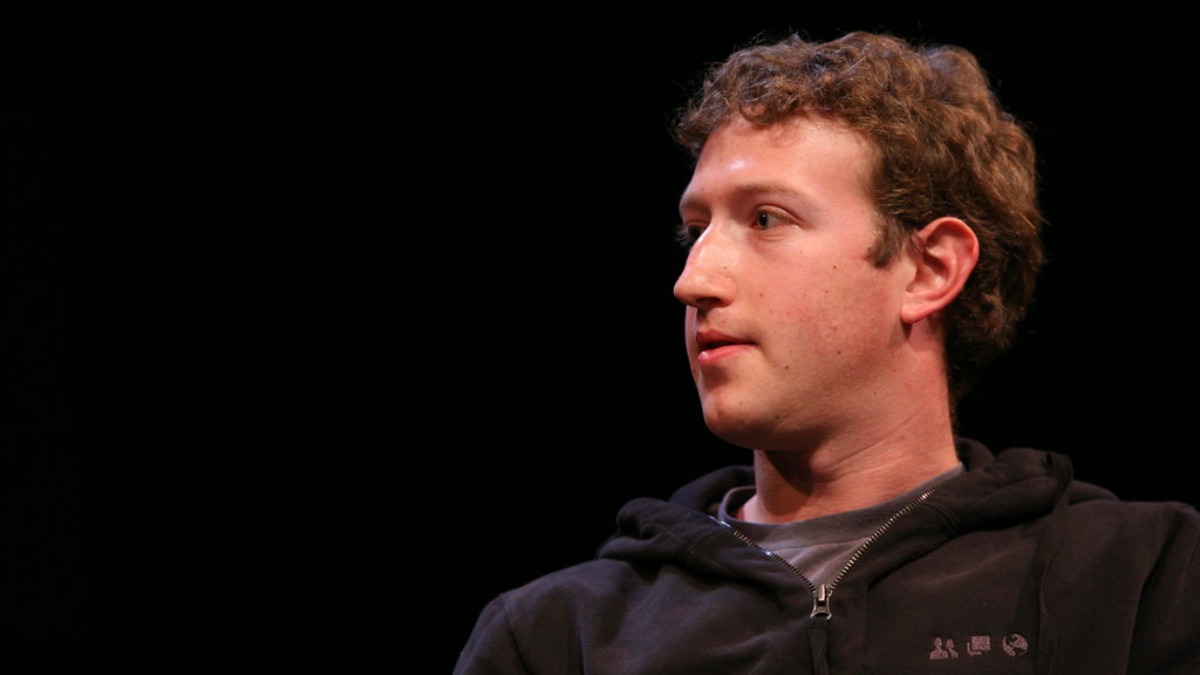
Mark Zuckerberg is personally training a digital version of himself to hold conversations with Meta employees on his behalf. The photorealistic, AI-powered 3D character is being built to step in when the real CEO is unavailable, and Zuckerberg is reportedly spending hours every week making sure it sounds and acts like him.
The project was first reported by the Financial Times, which cited four people familiar with the matter. According to the report, Meta has been developing interactive AI characters for some time, but in recent weeks, the company has shifted its focus to prioritize a Zuckerberg-specific clone. The AI is being trained on the CEO’s mannerisms, tone, speaking style, and publicly available statements, as well as his recent thinking on company strategy. The goal, one insider told the FT, is to make Meta’s nearly 79,000 employees feel more connected to leadership.
Zuckerberg himself is reportedly hands-on with the process. He has been spending five to ten hours per week coding on AI projects and sitting in on technical reviews. The clone is designed to hold back-and-forth conversations with staff and offer feedback in a way that reflects how the actual CEO might respond.
A separate tool from his ‘CEO agent’
This AI character is distinct from another project Zuckerberg has been quietly building. The Wall Street Journal reported last month on a “CEO agent” designed to help Zuckerberg retrieve internal company information faster, cutting through the layers of staff normally needed to surface answers. The clone goes much further, serving as a persistent, interactive proxy that employees can turn to for guidance and conversation.
Meta has reportedly added disclaimers to make clear that any response from the AI is not a direct order from the CEO. But the psychological weight of an AI telling a worker what “Mark thinks” about a product direction is difficult to ignore.
Could go beyond Meta employees
If the internal experiment works, Meta reportedly plans to make the same technology available to creators and influencers, allowing them to build AI versions of themselves to interact with fans. A spokesperson for UK-based AI startup Synthesia commented on the broader trend, saying, “When you add realistic AI video and voice, engagement and retention go up significantly. People work better when the information they need is delivered by a familiar face or voice.”
Meta is not alone in this space. Uber CEO Dara Khosrowshahi revealed during a podcast earlier this year that his own employees had already built an AI clone of him.
Meta’s bigger AI push
The Zuckerberg clone is part of a broader, multibillion-dollar bet the company is placing on artificial intelligence. In 2025, Zuckerberg described his ambition to give every person their own “personal superintelligence,” saying, “I think an even more meaningful impact in our lives is going to come from everyone having a personal superintelligence that helps you achieve your goals, create what you want to see in the world, be a better friend, and grow to become the person that you aspire to be.”
Meta has also been pushing staff to build their own AI agents for internal workflows. The push has sparked layoff fears among workers. On top of that, Meta was considering layoffs affecting as many as 20% of the company to help offset the costs of its AI investments. This comes at a time when Donald Trump said an AI image of himself as Jesus was “me as a doctor”, highlighting just how casually AI likenesses of public figures are now being generated and circulated.
Not Zuckerberg’s first digital self
Meta previously faced problems with its AI character efforts. In early 2026, users were generating overtly sexualized characters through Meta’s AI Studio, prompting the company to restrict access. Meta subsequently banned teenage users from accessing AI characters across its apps entirely.
Zuckerberg also has a history with digital versions of himself. Back in 2022, he shared a metaverse avatar that users publicly mocked for its cartoonish look. He posted an upgraded version shortly after, but Meta has since moved away from the metaverse and toward more realistic, conversational AI characters.
Meanwhile, fans have already taken to Reddit to weigh in on his latest experiment. “If a CEO can be replaced by AI then none of them should be worth billions,” one user wrote. Others were more generous: “Robozuck would 100% be more personable than Meatzuck.” It is not the first time a celebrity’s digital double has sparked debate online, and fans slammed Justin Bieber’s Coachella set as “pure laziness” after a YouTube stunt earlier this month drew similar questions about authenticity and effort.