
The United States is weighing a dramatic move against the United Kingdom as part of a wider plan to penalize NATO allies who stayed on the sidelines during America’s war with Iran. The threat: walk back decades of US support for British sovereignty over the Falkland Islands. The move has triggered a rare moment of cross-party outrage in Britain.
Reuters first reported on an internal Pentagon email that lays out a menu of punishments for European nations. The document, prepared by Pentagon chief policy advisor Elbridge Colby, argues that allowing US forces access to military bases is “just the absolute baseline for NATO.” Along with the Falklands threat against Britain, the memo also floats suspending Spain from the alliance entirely.
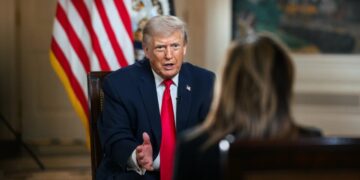
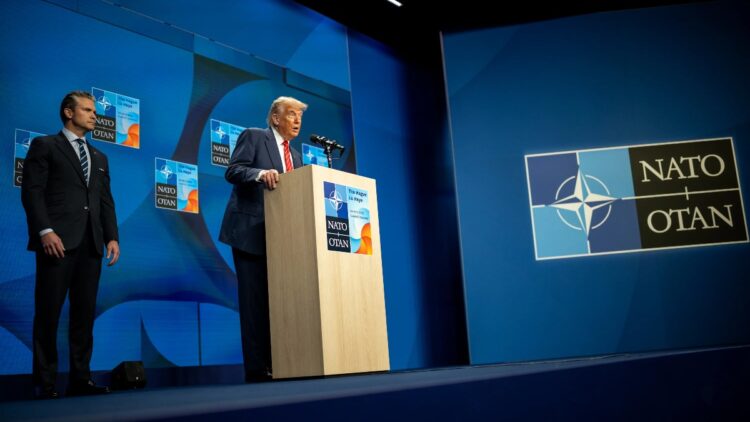
Donald Trump has been publicly fuming at NATO allies for weeks over their response to the Iran conflict. Spain, France, and Italy all refused to let US forces use their bases or airspace to strike Iran. The UK’s situation is more complicated: Prime Minister Keir Starmer initially held back from giving full access to British bases, then agreed to allow their use for defensive missions only. That half-step satisfied no one in Washington.
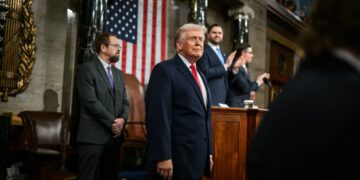
Trump has already threatened to tear up parts of the US-UK trade deal over the dispute. Pentagon press secretary Kingsley Wilson confirmed the administration’s frustration in a statement to Reuters: “As President Trump has said, despite everything that the United States has done for our NATO allies, they were not there for us.”
Falklands history makes the threat land differently
The Falklands threat cuts particularly deep in Britain because of the history attached to the islands. In 1982, 255 British service members died in a 10-week war to retake the archipelago from Argentina after it invaded. The US has recognized British control ever since. For Washington to even float reconsidering that position is a sharp departure from the alliance’s postwar posture.
Argentine President Javier Milei, a close Trump ally, wasted no time reacting. He said in a radio interview Friday that his government was doing “everything humanly possible so that the Argentine Malvinas, the islands, the entire territory return to the hands of Argentina.”
UK politicians unite in pushing back
The backlash in Britain came from across the political spectrum. A spokesperson for Starmer said that the UK position “isn’t going to change,” adding that the Falkland Islands had “previously voted overwhelmingly in favour of remaining a UK overseas territory.”
Conservative Party leader Kemi Badenoch called the Pentagon report “complete nonsense” and drew a comparison to Trump’s earlier threats about annexing Greenland. “The Falkland Islands are British, they have been for a very long time,” she said. “The sovereignty is British sovereignty.” She added that she wasn’t sure the threat needed to be taken seriously at this stage, but said Britain must remain firm in defending its sovereign territory.
Reform UK leader Nigel Farage, typically a Trump ally, broke from that pattern on this issue and declared the sovereignty of the islands “utterly non-negotiable.” A NATO official said that the alliance’s founding treaty has no provision for suspending or expelling a member, casting doubt on whether the most extreme punishments outlined in the memo are even enforceable.
Timing adds to the awkwardness
The row erupts just days before King Charles III is scheduled to visit Washington on Monday for a four-day state visit. The trip had been seen as an opportunity to repair a relationship strained by Starmer’s cautious stance on Iran. Downing Street said it remained “absolutely confident” the visit would go ahead as planned.
Trump has previously compared Starmer unfavorably to Winston Churchill and criticized the prime minister’s decision to resume negotiations over handing the Chagos Islands to Mauritius, a deal that would affect a joint US-UK military base at Diego Garcia.
Not all British reaction was serious. TV personality Piers Morgan, who counts Trump as a friend, fired off a joke on social media suggesting that if the US was willing to threaten British sovereignty, Britain should just “reclaim the United States” in time for America’s 250th independence anniversary, with King Charles making the announcement to Congress during his visit.