
The summer travel season is shaping up to be a nightmare for millions of flyers. Airlines across Europe, Asia, and North America are cutting routes and warning of more cancellations ahead as a global jet fuel shortage bites, and the worst may still be coming.
The crisis traces back to the closure of the Strait of Hormuz following the US-Israel war on Iran that began in late February. Around 75 percent of Europe’s jet fuel imports come from the Middle East, and the waterway previously carried roughly one-fifth of the world’s oil supply. With that route cut off, prices have exploded. The global price of jet fuel jumped from roughly $99 per barrel at the end of February to as high as $209 a barrel at the start of April.
The International Energy Agency warned that Europe may have only six weeks of fuel reserves left, and more than 150,000 international flights were cut worldwide between March and June 2026 compared to pre-war schedules, according to Newsweek.
Airlines already slashing schedules
Lufthansa has made the most dramatic cuts so far. The German carrier is pulling 20,000 short-haul flights through October, focusing cancellations on routes from Frankfurt, Munich, Zurich, Vienna, Brussels, and Rome, in a bid to conserve 40,000 tonnes of jet fuel for long-haul connections. The airline says it expects a “largely stable fuel supply” for the summer but has not committed beyond that.
Scandinavian Airlines is canceling 1,000 flights in April, while Dutch carrier KLM is cutting 80 flights due to rising kerosene costs. Hong Kong-based Cathay Pacific is canceling around 2 percent of its passenger flights from May 16 to June 30, with budget arm HK Express cutting around 6 percent from May 11.
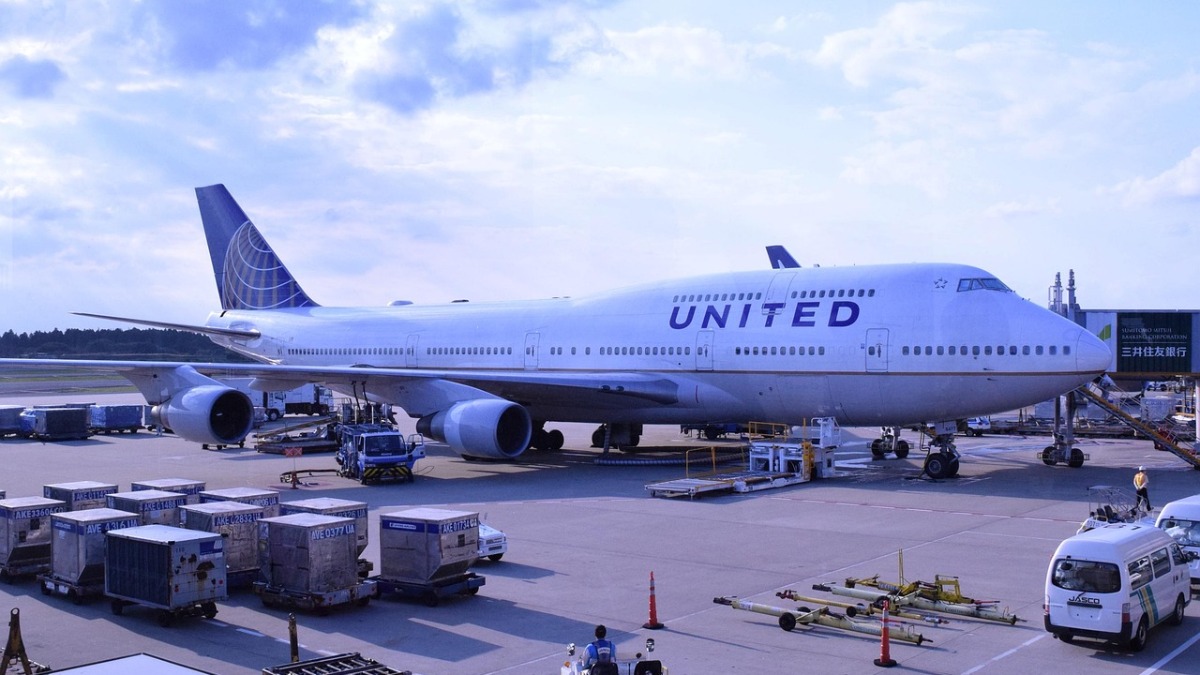
United Airlines CEO Scott Kirby told employees in an internal memo that jet fuel prices had “more than doubled in the last three weeks,” and that the airline would be “tactically pruning flying that’s temporarily unprofitable.” United has also trimmed its previously planned schedule by about 5 percent over the next six months, while Delta Air Lines is cutting approximately 3.5 percent of its total network to claw back around $1 billion in costs.
AirAsia X is cutting around 10 percent of its flights, and budget airline Spirit Airlines has sought emergency federal funding to offset a 129 percent spike in jet fuel prices since the end of 2025.
What this means for your travel plans
The disruptions are not limited to canceled flights. Travelers may see base fares hold steady while taxes and fees double, with airlines also piling on charges for checked bags, seat selection, and in-flight amenities. Some carriers are even looking at reducing meal service to shave weight off planes and cut fuel burn.
IEA chief Fatih Birol told CNBC that jet fuel demand in August is typically 40 percent above March levels, meaning the shortage will intensify exactly when summer travel demand peaks. He described the situation as “the biggest energy security threat in history.”
Travel expert Katy Nastro from flight deal site Going warned that airlines are essentially “on a timer,” and once peak summer hits, options for rebooking canceled flights will narrow fast. Her advice: check your phone number and email are updated in your booking, and act immediately if you receive any notification about a schedule change.
If you’ve already had an airline leave you in the lurch, you’re not alone. A couple was forced to spend $800 after EasyJet abandoned them at Milan Airport — a situation that could become far more common this summer.
Your rights if your flight is canceled
US federal rules require airlines to issue prompt refunds to ticketed passengers, including those with non-refundable tickets, if a flight is canceled or significantly changed. The passenger must decline any alternative offered by the airline, such as a rebooking, to qualify. Generally, passengers do not have to pay extra even if there is a fare difference on the alternative flight.
The EU is also considering waiving “slot rules” that normally require airlines to use a set percentage of their takeoff slots, which would allow carriers to cut flights without losing future rights to those routes.
Airports are already feeling the squeeze. San Francisco is currently the worst-hit US airport, with 544 disruptions recorded on a single day recently, including 69 flight cancellations, primarily hitting United Airlines’ transpacific and transatlantic routes.
For travelers wondering whether to book or wait, the calculus is tricky. There’s also the small matter of navigating airports themselves — as one traveler found out, strange things can happen there even before boarding. This summer, expect the unexpected.