
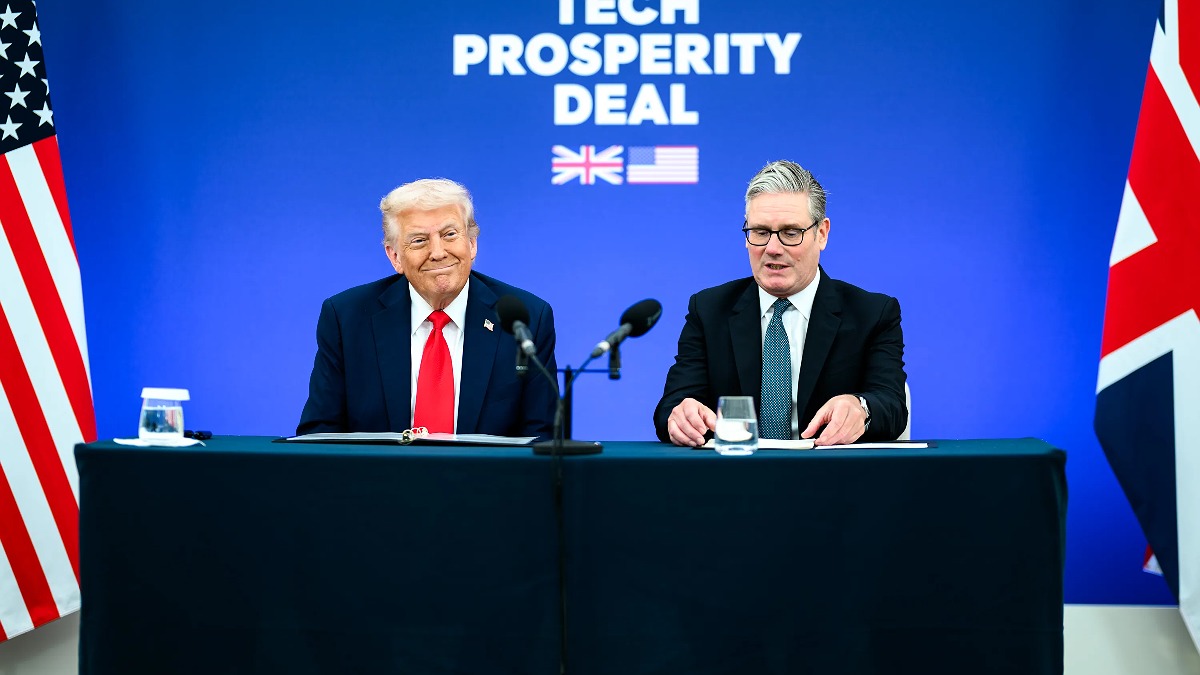
Keir Starmer fired back at Donald Trump on Wednesday after the US president threatened to undo the UK-US trade deal over Britain’s refusal to join the war in Iran. Standing before Parliament at Prime Minister’s Questions, Starmer was direct: he is not changing his position. “I’m not going to change my mind. I’m not going to yield,” he told the House of Commons.
The showdown was sparked by a Trump interview with Sky News on Tuesday night, as reported by CNN. Trump, clearly frustrated with the UK’s position, hinted the trade agreement struck last year was not untouchable. “We gave them a good trade deal, better than I had to, which can always be changed,” the president said. He also criticized Starmer over North Sea oil policy, immigration, and what he described as Britain failing to show up when the US needed it most.
Starmer acknowledged the pressure was real and deliberate. “It is not our war and a lot of pressure has been applied to me to take a different course, and that pressure included what happened last night,” he said. He added that joining the conflict was simply not in Britain’s national interest, and he had no intention of reversing course.
Trade deal used as leverage
The UK-US trade agreement, sealed at Chequers last September, was considered one of the biggest wins of Starmer’s time as Prime Minister. It helped soften the blow of Trump’s global tariff push for British exporters. Using it as a pressure point marks a significant shift in tone from Washington.
It was reported earlier this week that Starmer had already drawn a firm line by rejecting the US naval blockade of the Strait of Hormuz. Roughly 20 percent of the world’s oil flows through that waterway, and Britain has been pushing to keep it open through diplomatic efforts rather than military action. UK Chancellor Rachel Reeves was set to meet US Treasury Secretary Scott Bessent in Washington on Wednesday, on the sidelines of an International Monetary Fund meeting focused on the war’s economic fallout.
The tension between the two leaders has been building for weeks. Previously, Trump warned Iran of total destruction before a midnight deadline, setting off a chain of events that pulled allies into uncomfortable positions.
Opposition piles on, King’s visit in spotlight
Liberal Democrats leader Ed Davey used PMQs to push harder on the issue, describing Trump’s behavior as that of “a mafia boss running a protection racket.” He urged Starmer to cancel King Charles’ upcoming state visit to the United States, scheduled for April 27 to 30.
Starmer declined. He defended the visit as a symbol of the broader relationship between the two nations, one that extends well beyond any individual in office. “The monarchy is an important reminder of the longstanding bonds and enduring relationship between our two countries, which are far greater than anyone who occupies any particular office at any particular time,” he said.
Trump, for his part, called King Charles a “great gentleman” and insisted the diplomatic friction with Starmer would not affect the royal trip.
Tory leader Kemi Badenoch’s office also weighed in, saying the visit should go ahead regardless of the White House’s mood. “The relationship between Britain and the US is there irrespective of who is in the White House,” a spokesperson said.
UK draws a clearer line
Starmer’s government has progressively hardened its language toward Washington. On Monday, he told Parliament that Trump was wrong to threaten the destruction of Iranian civilization. Health Minister Wes Streeting called the rhetoric “incendiary, provocative, outrageous.” Britain did agree to a limited US use of two British military bases for what was described as a defensive purpose, but drew the line at offensive operations.
Tim Kaine previously called Trump’s earlier exit from the Iran nuclear deal one of the worst foreign policy decisions ever made, a view that now resonates with several US allies watching the current conflict escalate.
Trump’s frustration with the UK is clear. “When we needed them, they were not there. When we didn’t need them, they were not there. They still aren’t there,” he told Sky News. Starmer’s answer, delivered calmly in Parliament, was essentially the same: that will not change.